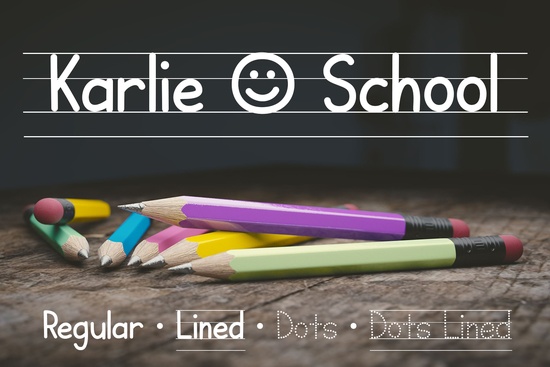
If you design educational materials, sell printable classroom resources, run a print-on-demand shop, or create crafts at home, letter formation choices directly impact usability. Standard system handwriting typefaces often look stiff or include unnecessary flourishes that confuse young learners. That is exactly why Karlie School Font was created, offering a clear, legible style tailored specifically for early writers. Whether you manage a small business selling digital downloads or simply want to make more effective lesson plans, having a typeface that supports proper letter formation saves time and reduces frustration for both teachers and students.
Why do traditional handwriting fonts fall short for early education?
Default scripts were designed for display or adult practice. Slanted strokes and connected loops rarely match how children print. Young writers need consistent entry points, clear curves, and predictable baseline alignment. Generic scripts often sit too high or lack open shapes that help young hands recognize patterns. Publishers spend significant time refining these details, giving you a tested alternative for worksheet creation.
What makes the dotted and guided versions so practical?
The real value lies in the multiple layers included in the package. You get a clean basic handwriting style for finished projects, a dotted tracing version for guided practice, and several layouts with built-in baseline and midline guides. Instead of manually drawing lines or searching for clipart, you can simply type out alphabet drills and let the font handle the structure. This cuts down prep time significantly, especially during busy seasons. If you ever need a simpler geometric style for older students, browsing through clean display options shows how versatile modern typography libraries can be.
How can teachers and makers use this typeface beyond the classroom?
Shops regularly stock personalized notebooks, desk nameplates, and learning wall art. Parents buy themed party activities and take-home literacy packs. Clean strokes reproduce well on cardstock, vinyl, and transfers. Pair it with supporting typefaces that maintain harmony without competing. Playful rounded styles suit headers, while structured sans serifs keep body text readable. For vintage decor, exploring heritage-style prints adds warmth without sacrificing clarity.
Which similar typefaces work well alongside educational layouts?
Design consistency matters more than people realize. If your brand relies on whimsical themes, checking out adventure-themed decorative sets helps you create cohesive activity packs. Alternatively, when designing sleek digital planners for academic years, a clean block script like structured display lettering keeps pages looking organized. The key is matching the mood of your project while keeping the primary reading experience stress-free.
Testing print quality before uploading commercial files prevents costly reprints. Always preview your designs at actual size, check contrast ratios against colored backgrounds, and remember that younger eyes respond better to higher x-heights and wider counters. When you are ready to expand your library, visiting Karlie School Font gives you immediate access to updated releases.
How do you choose the right version for your workflow?
Start by identifying your end goal. Classroom handouts benefit most from the dotted tracing layer because students need visual cues for pencil placement. Digital coloring sheets usually call for the plain basic version, which renders cleanly at any resolution. If you are batching large volumes of sight word charts, switching to the guided layout ensures uniform alignment across dozens of pages. Always verify that your design software supports standard font formats before purchasing, since some legacy programs may struggle with complex glyph substitutions.
Quick setup checklist:
- Install the font files and restart your design program to register new typefaces.
- Set line height to one-fifteen for comfortable reading gaps.
- Keep text dark gray instead of pure black to reduce eye strain on printed copies.
- Test export settings at three hundred dots per inch for crisp cut files.
- Save layered project files separately so you can swap between versions later.
Once your template library is organized, creating daily literacy rotations takes minutes. Pair clear instructional layouts with purposeful practice spaces, and watch student engagement improve without overcomplicating your workflow.
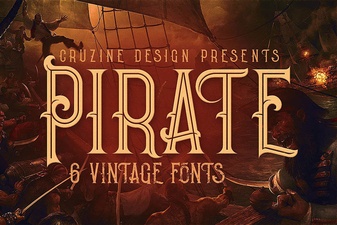 Pirate Fonts for Creative Design Projects
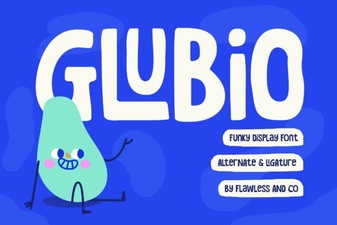 Glubio Font: a Creative Typography Guide
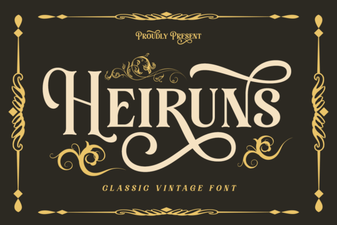 Discover the Heiruns Font for Your Creative Projects
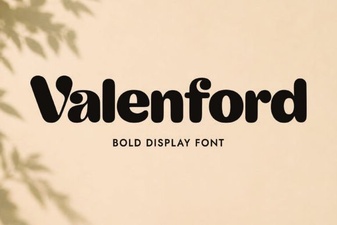 Introducing the Valenford Font for Your Designs
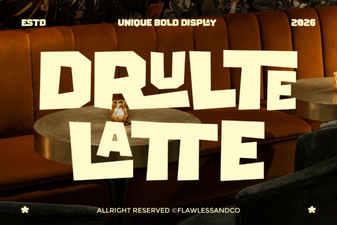 Drulte Latte Font: Creative Projects & Design Ideas
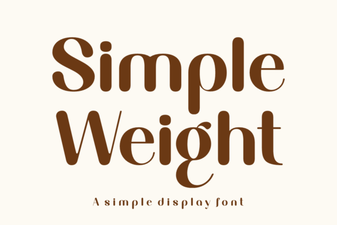 Simple Fonts for Clean Design